


Year 2

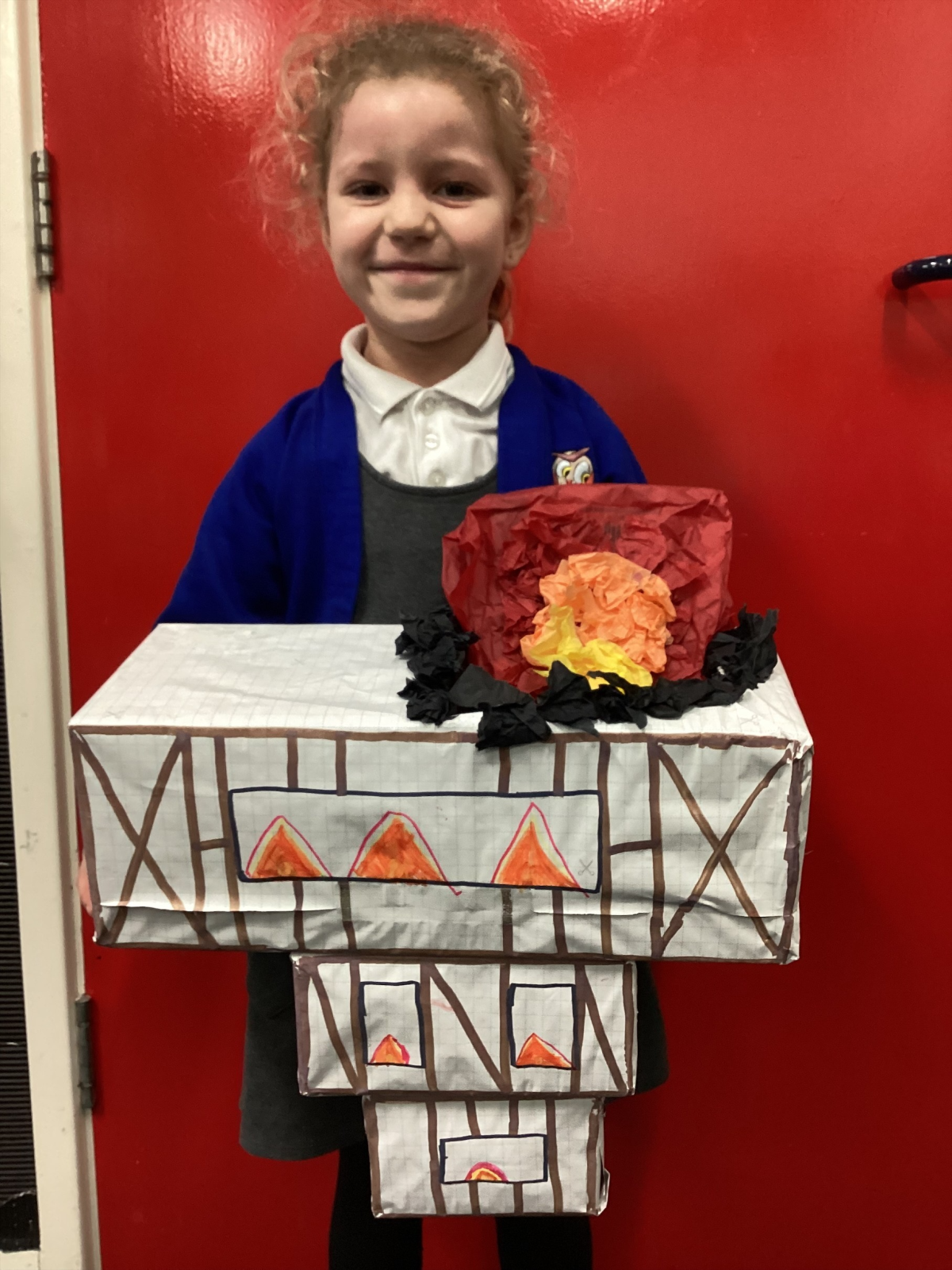
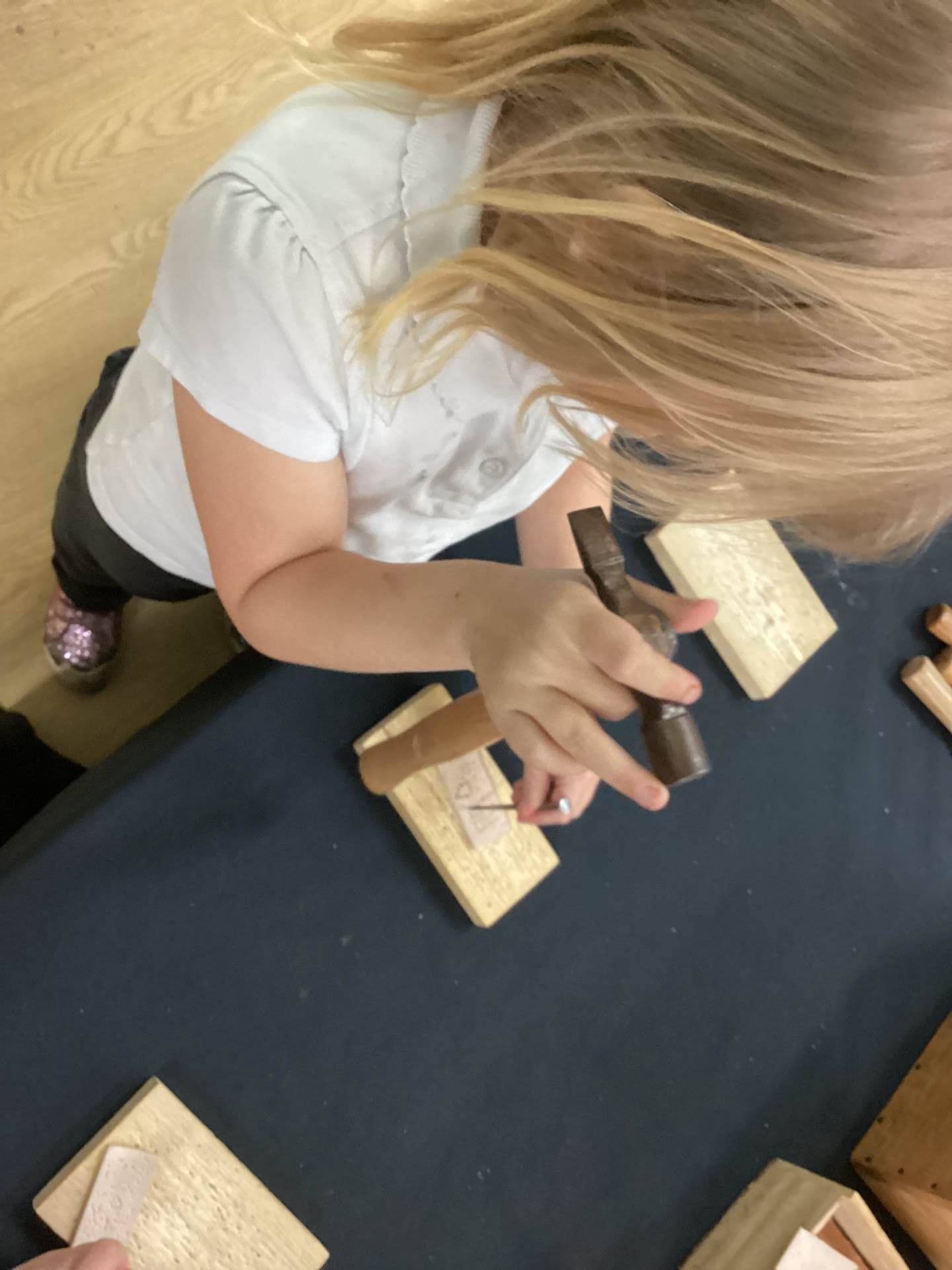
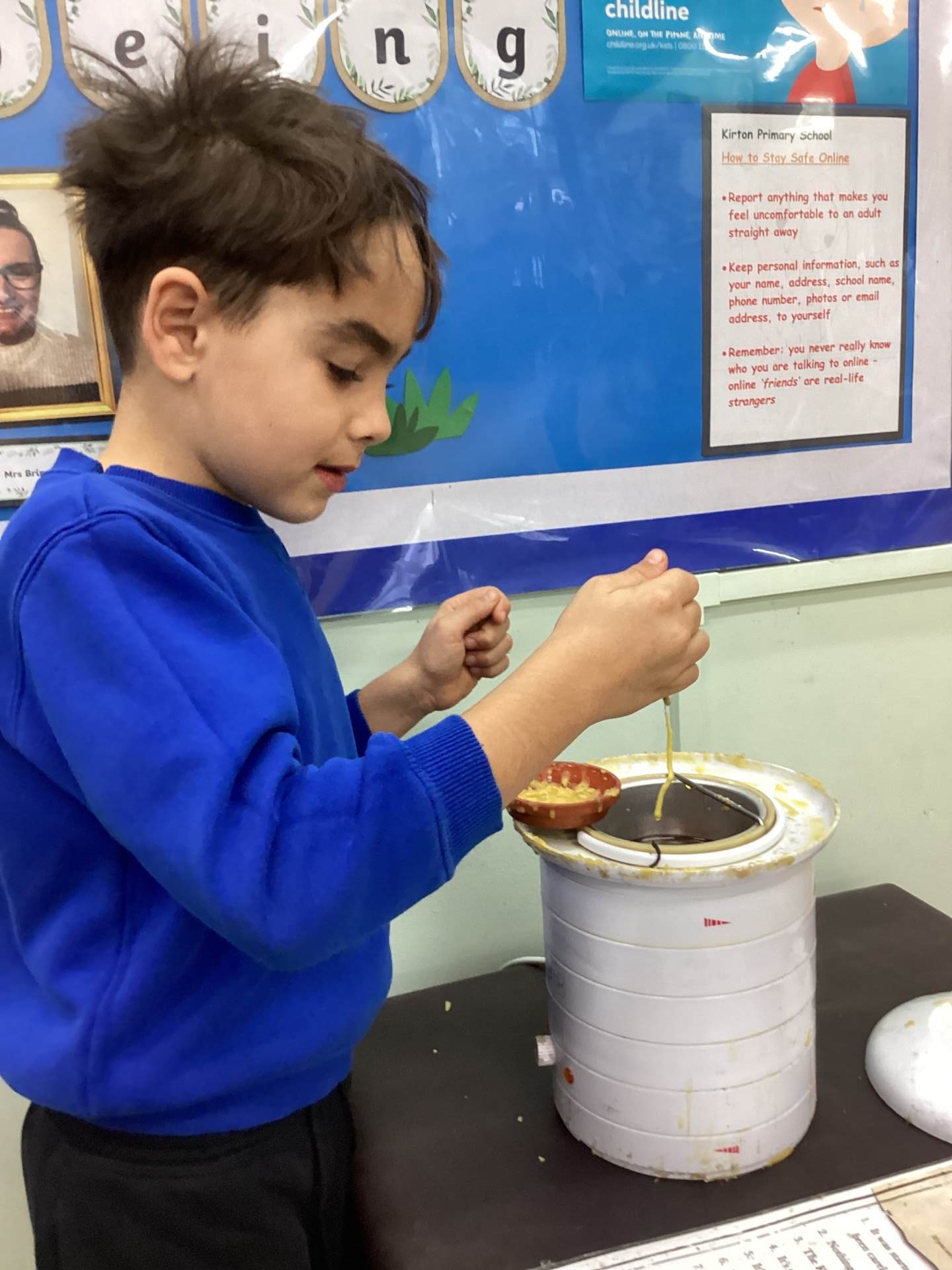
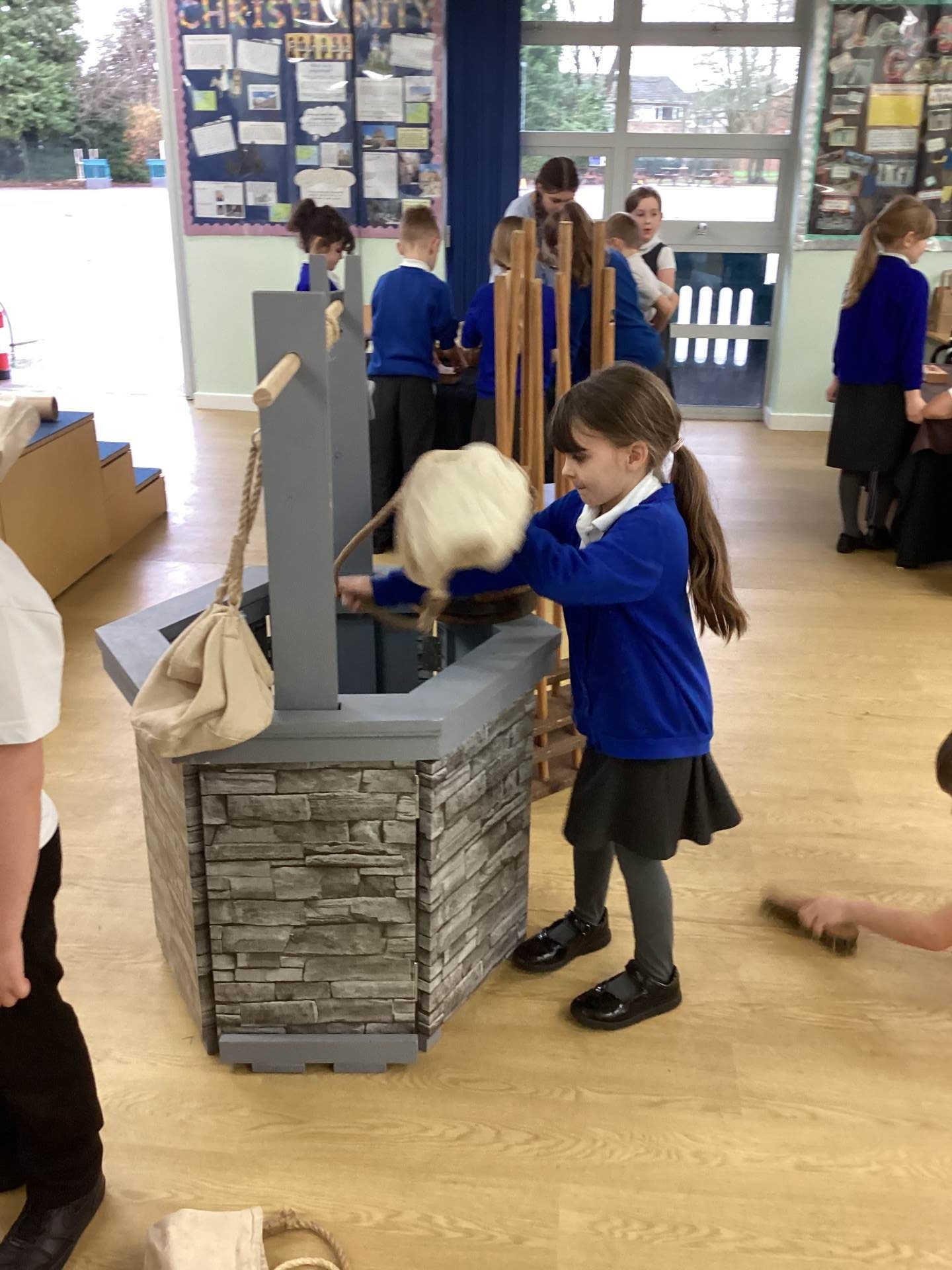
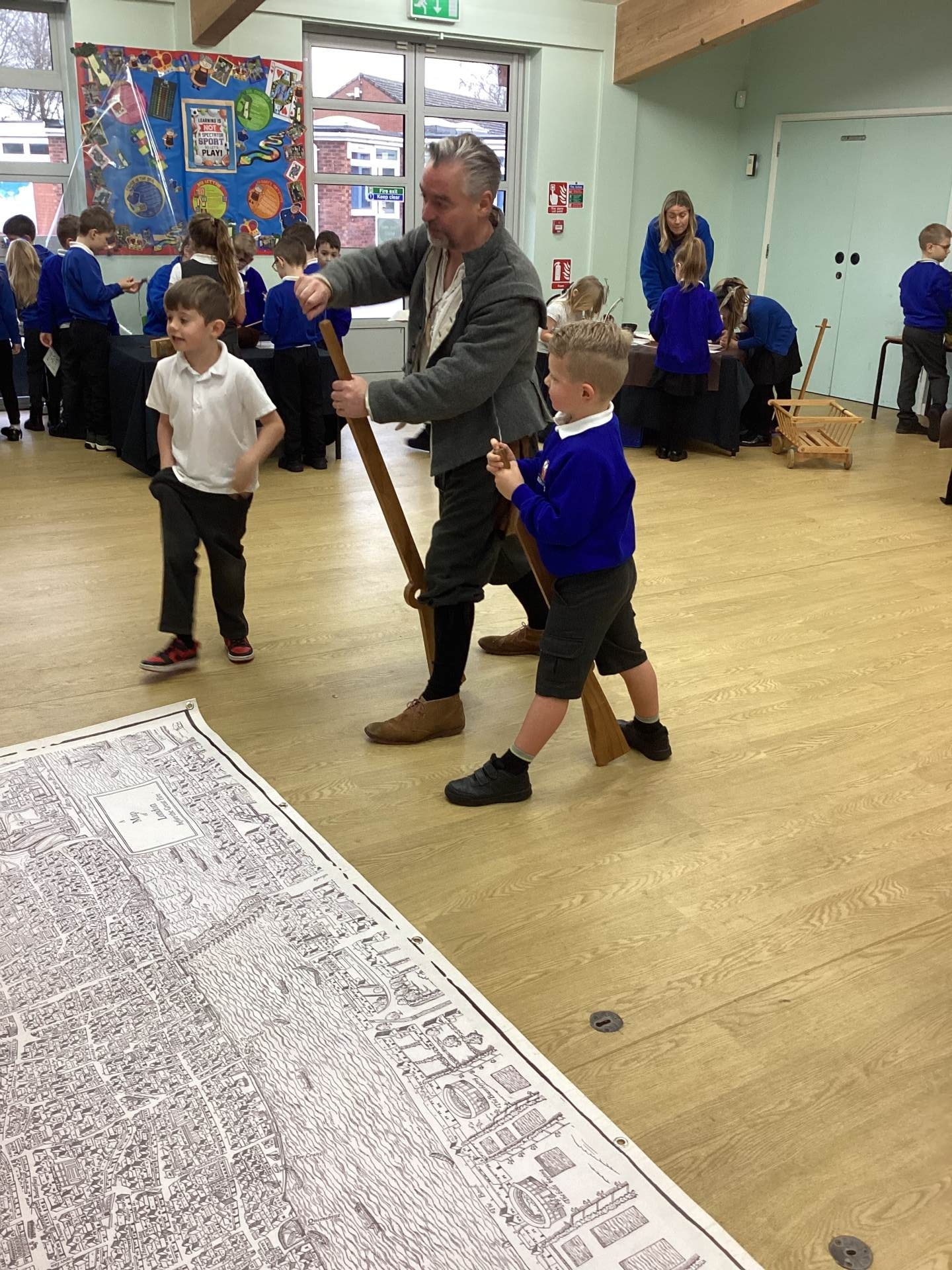
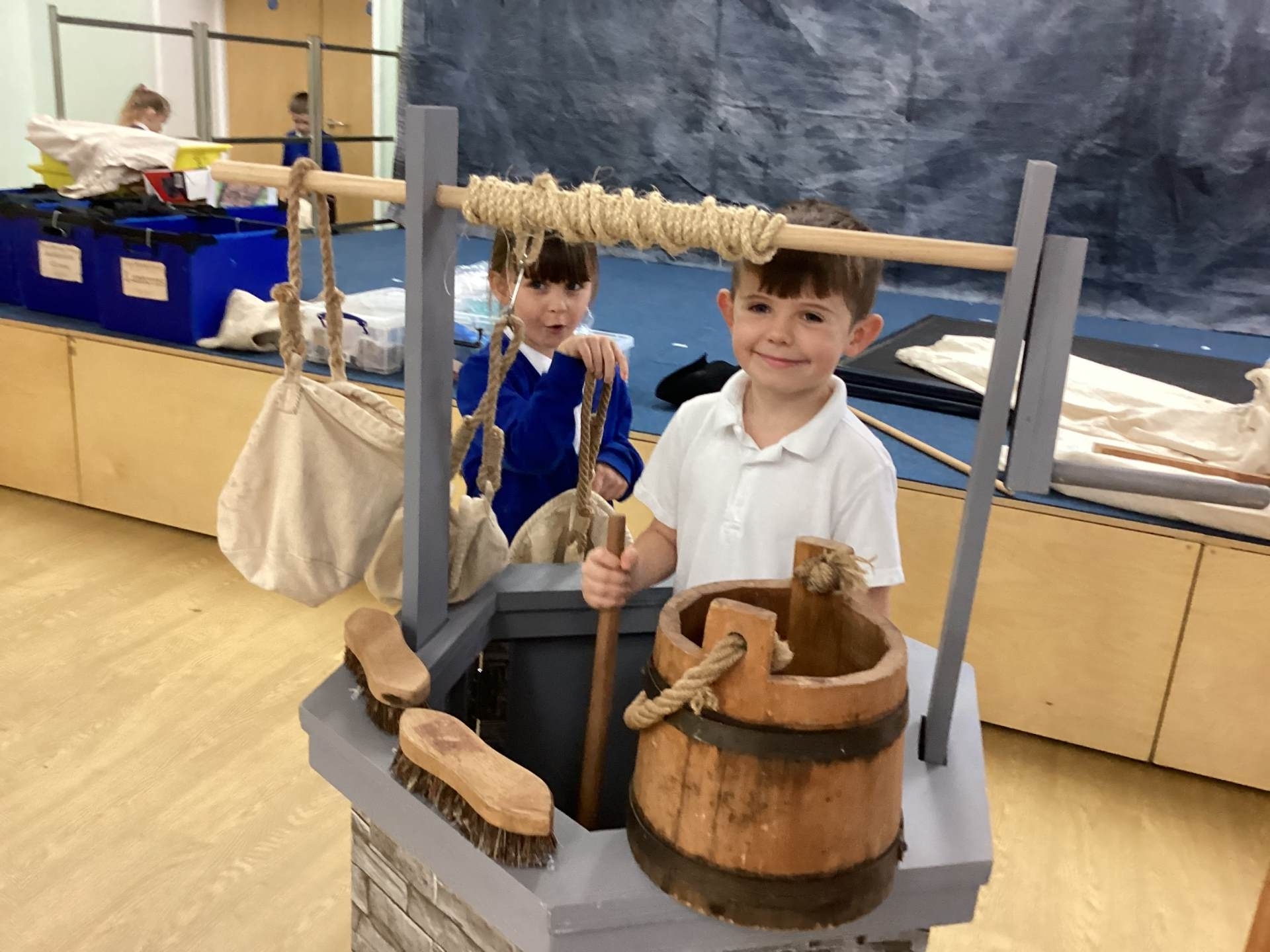
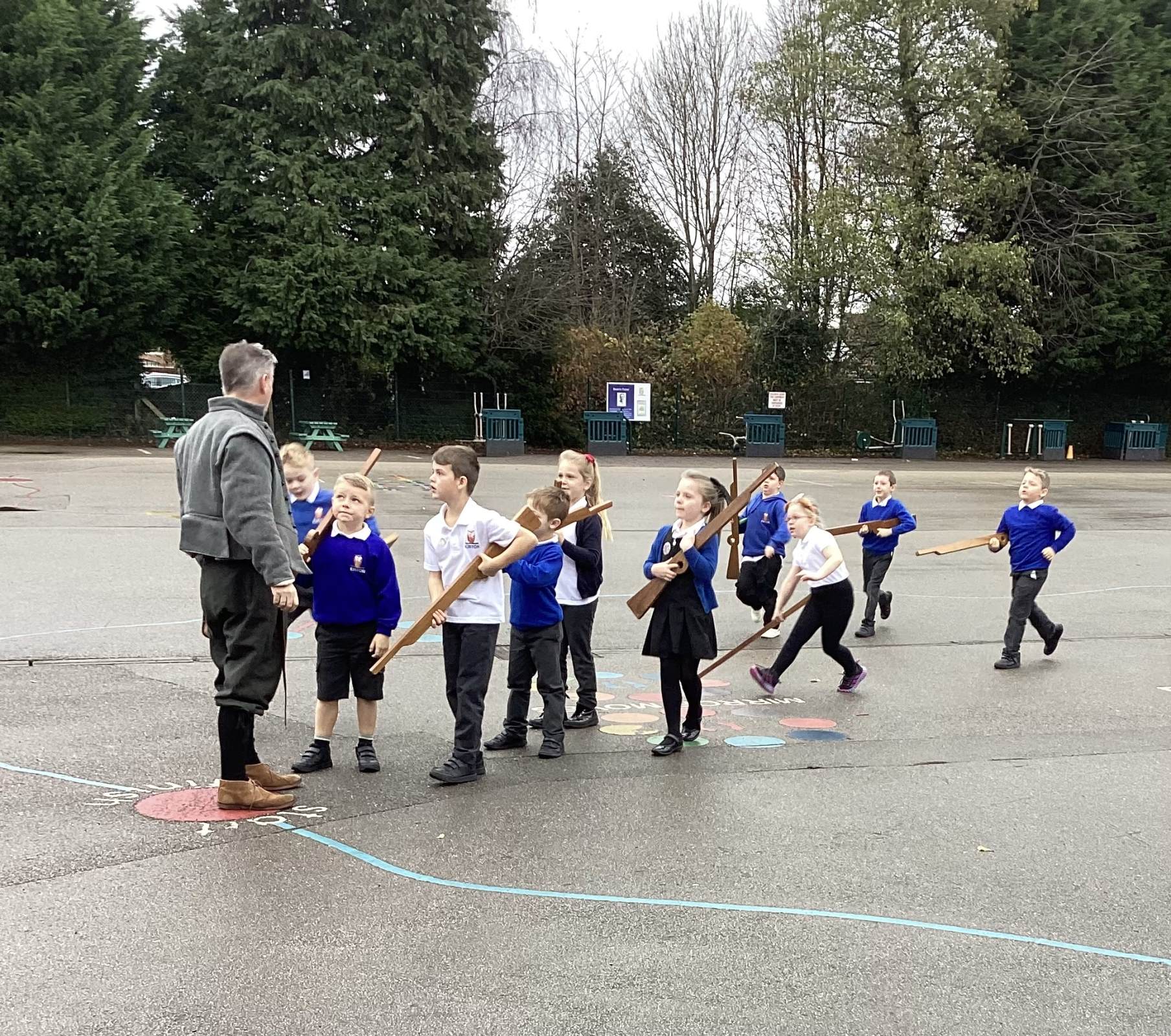
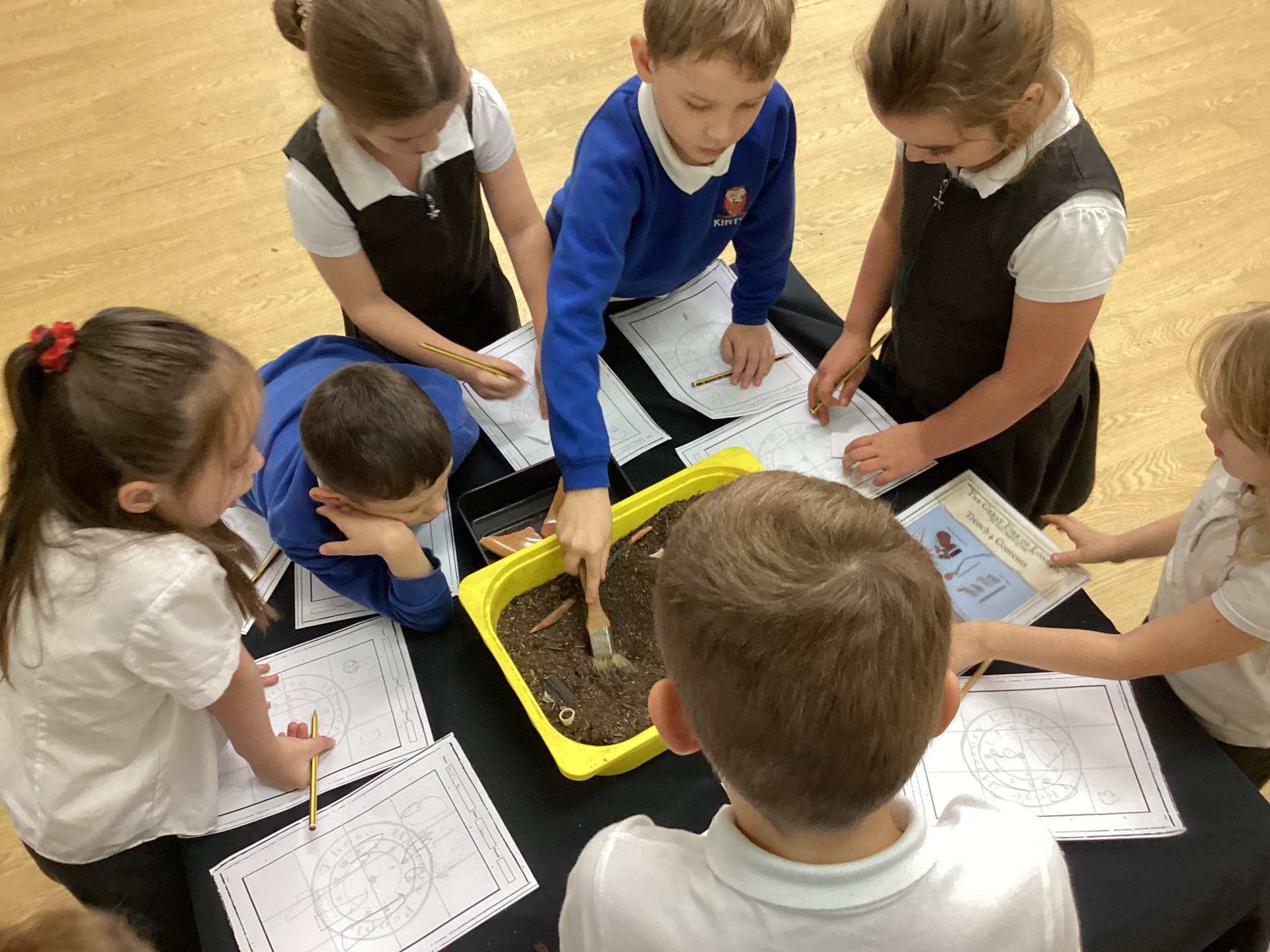
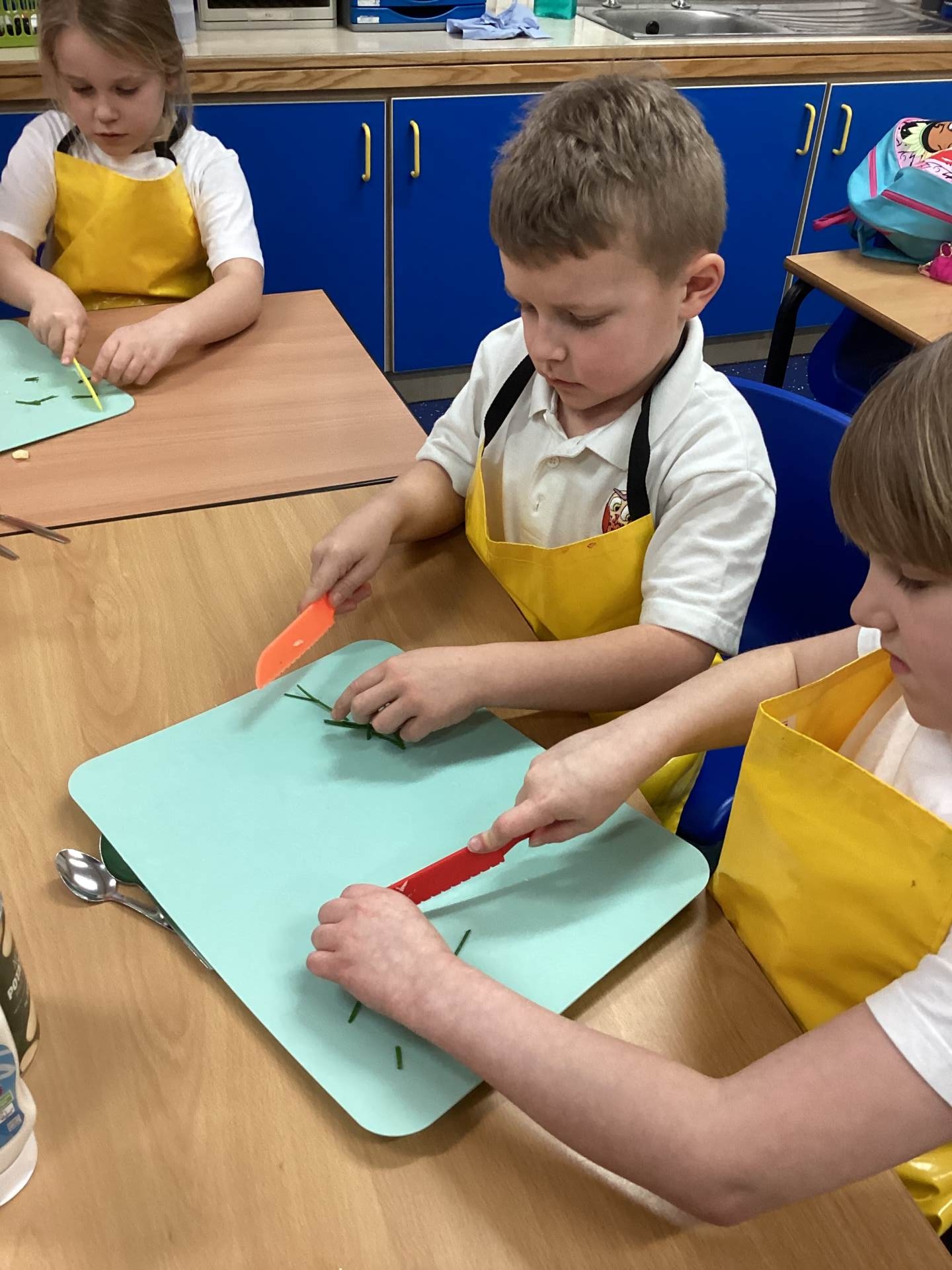
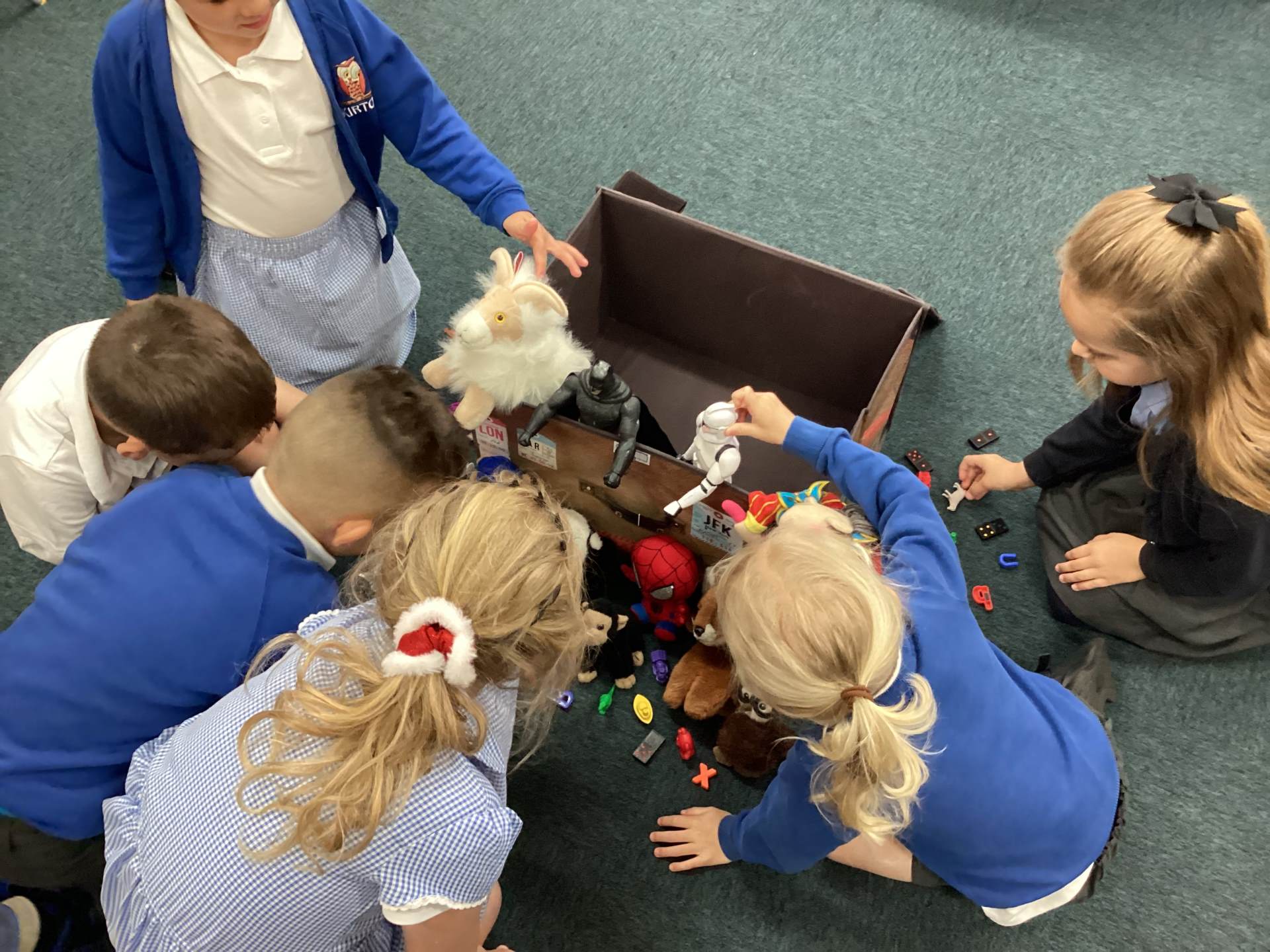
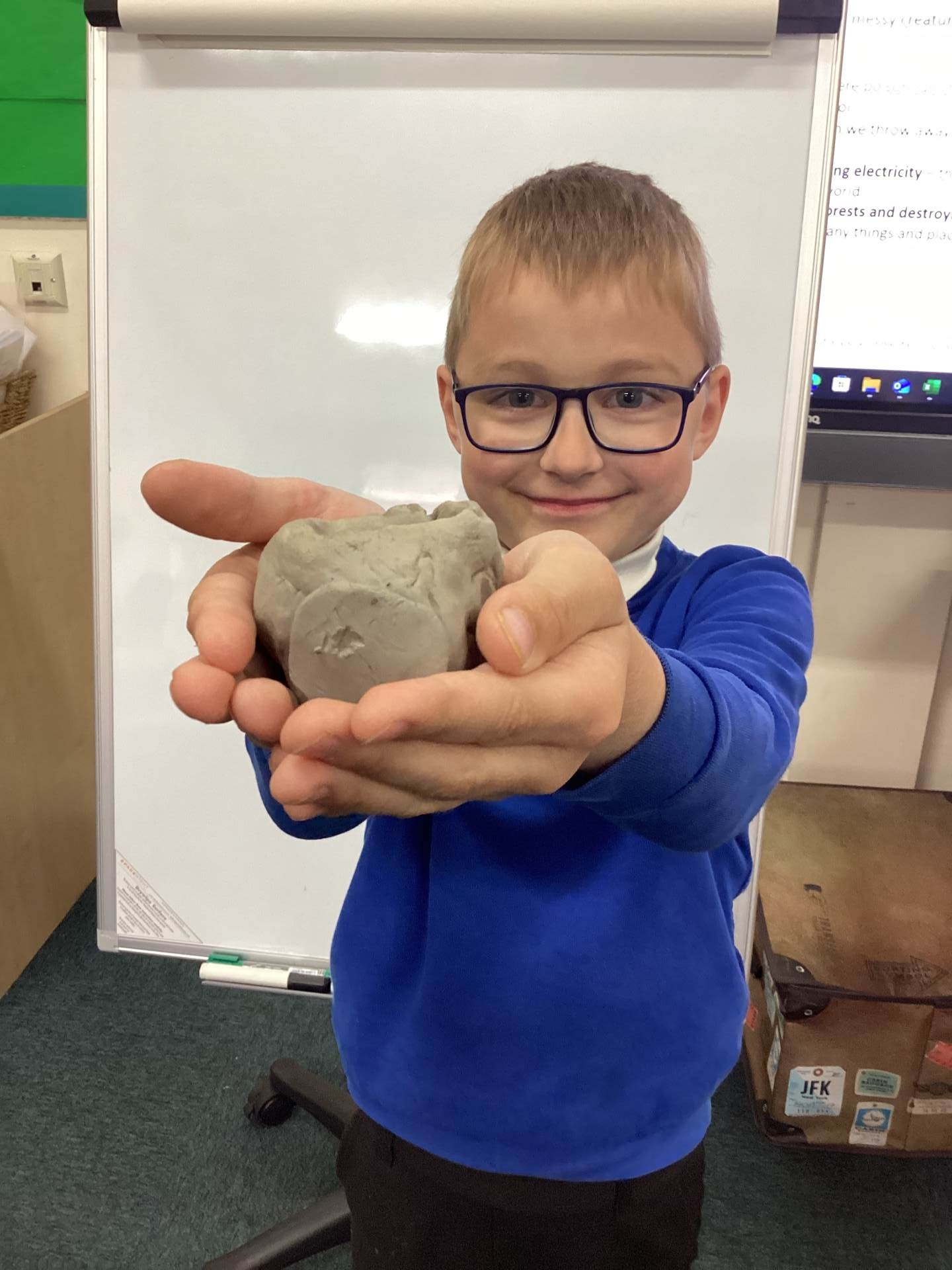
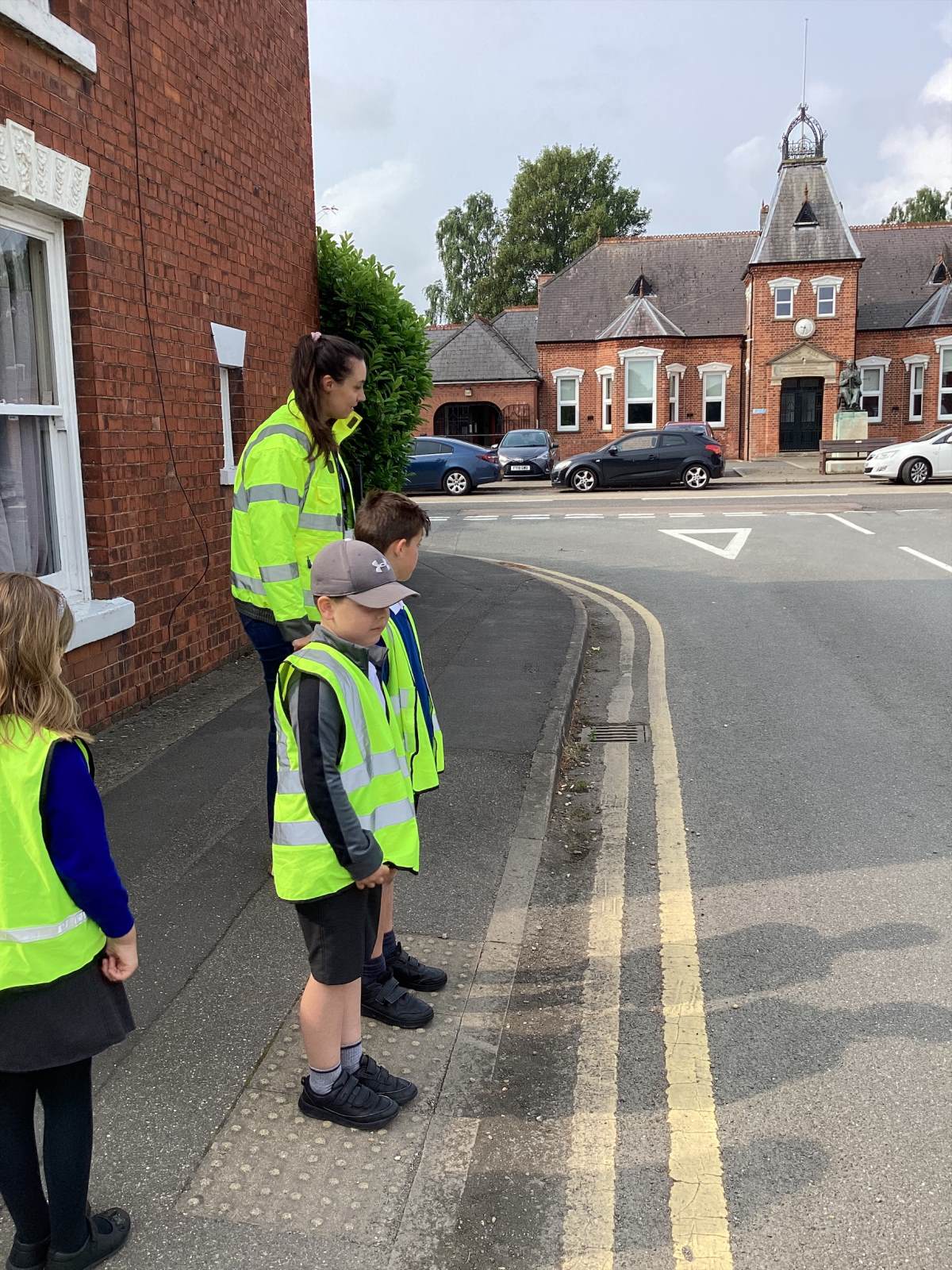
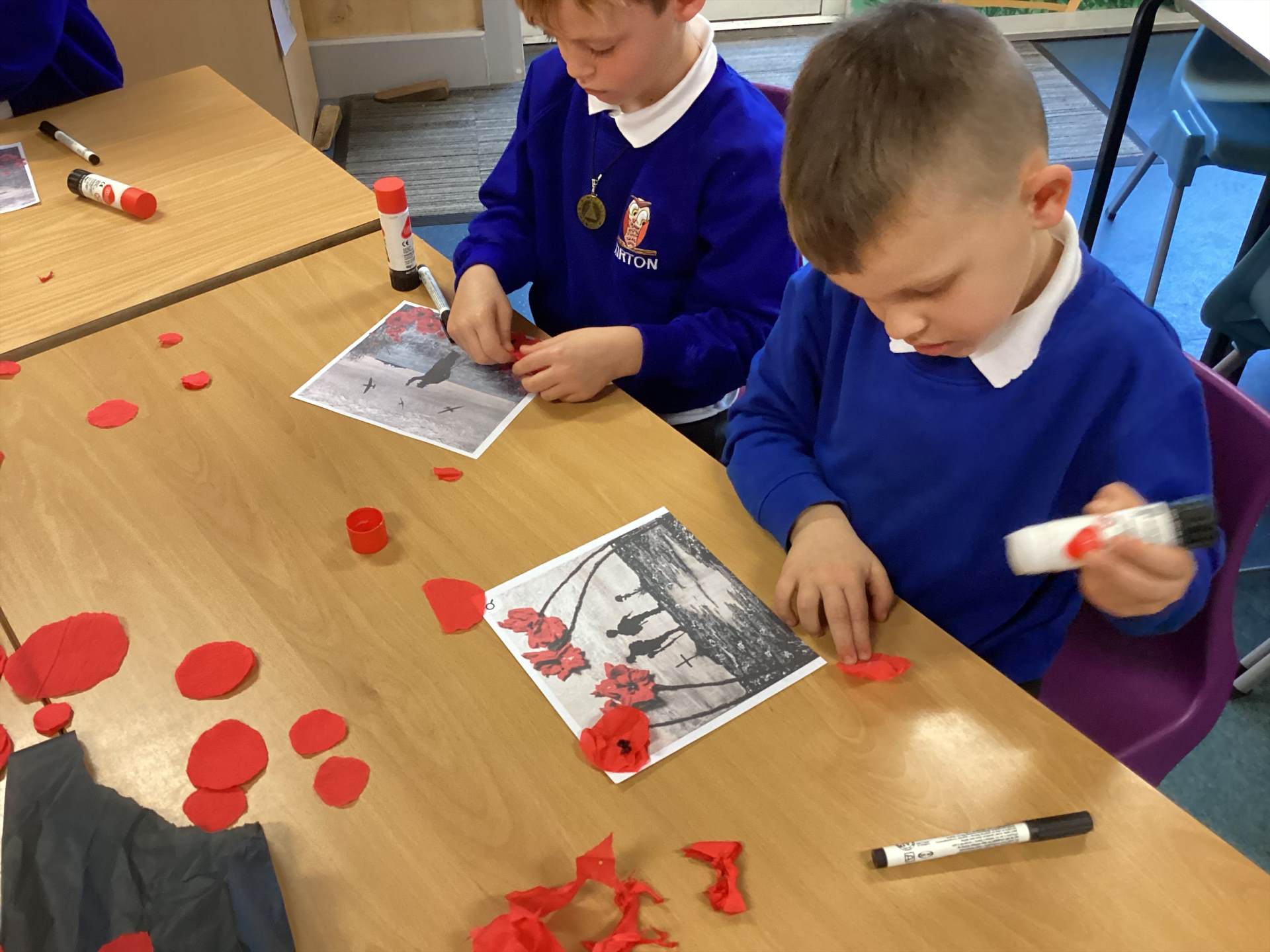
Year 2 Gallery
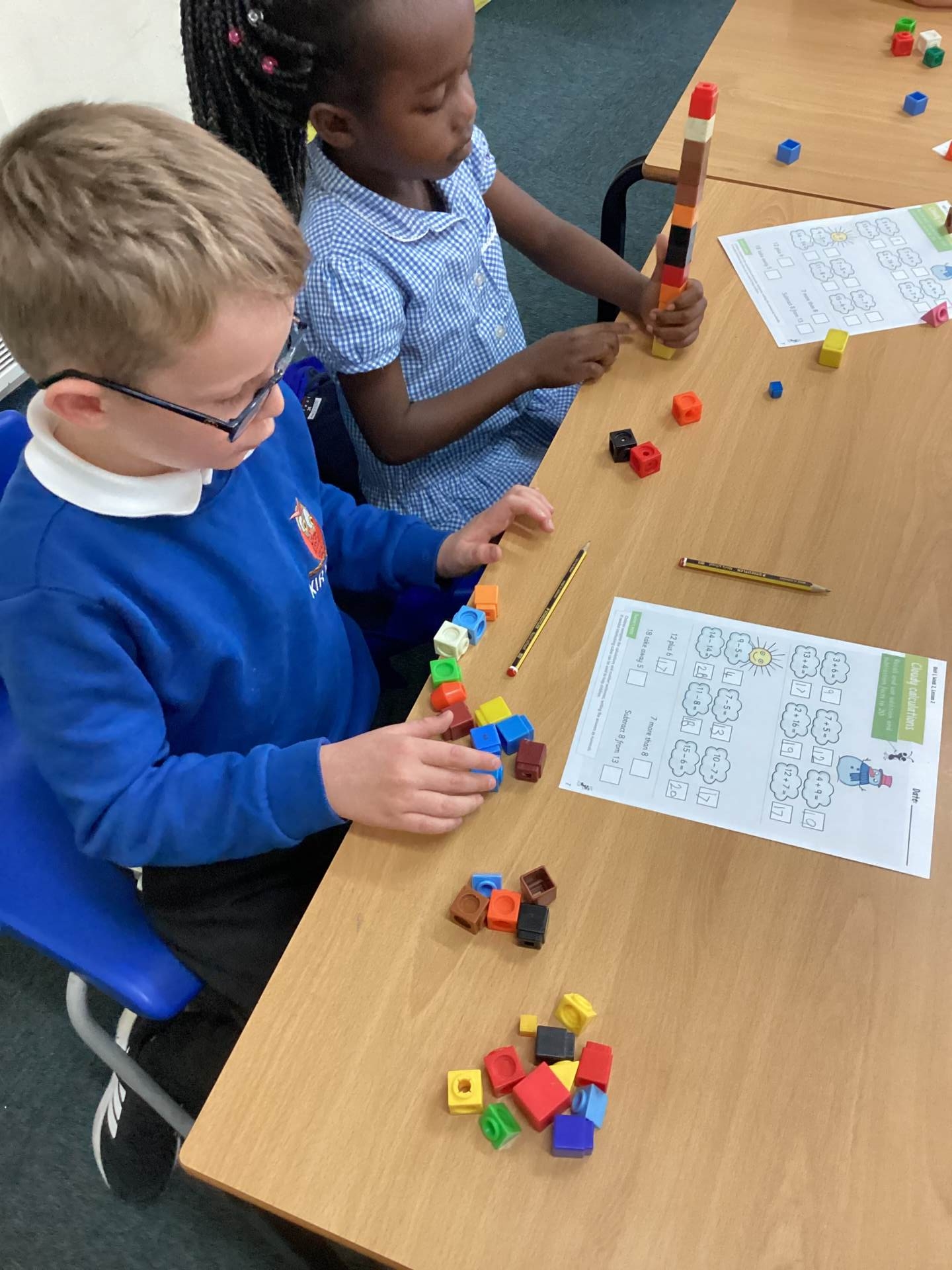
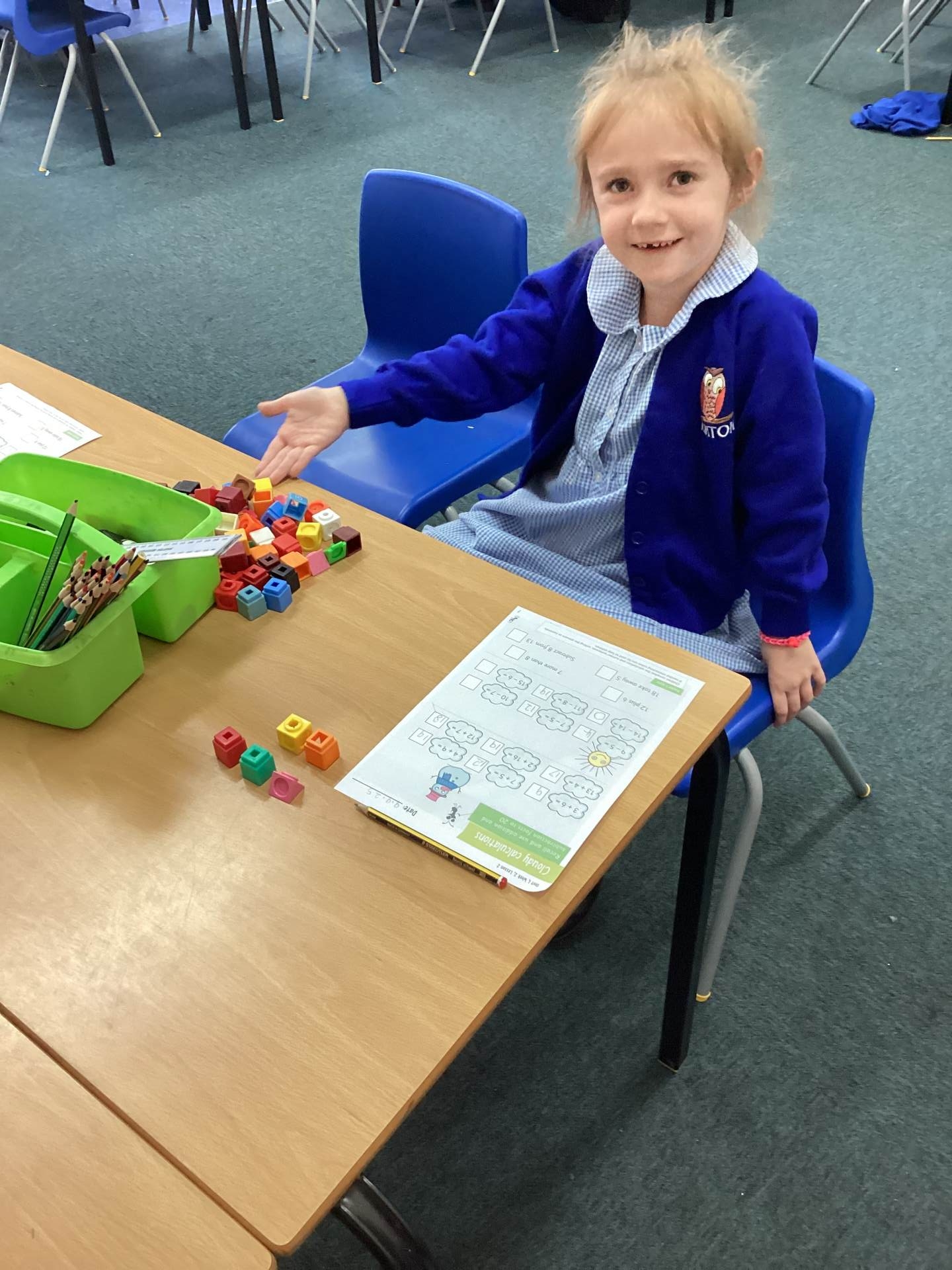
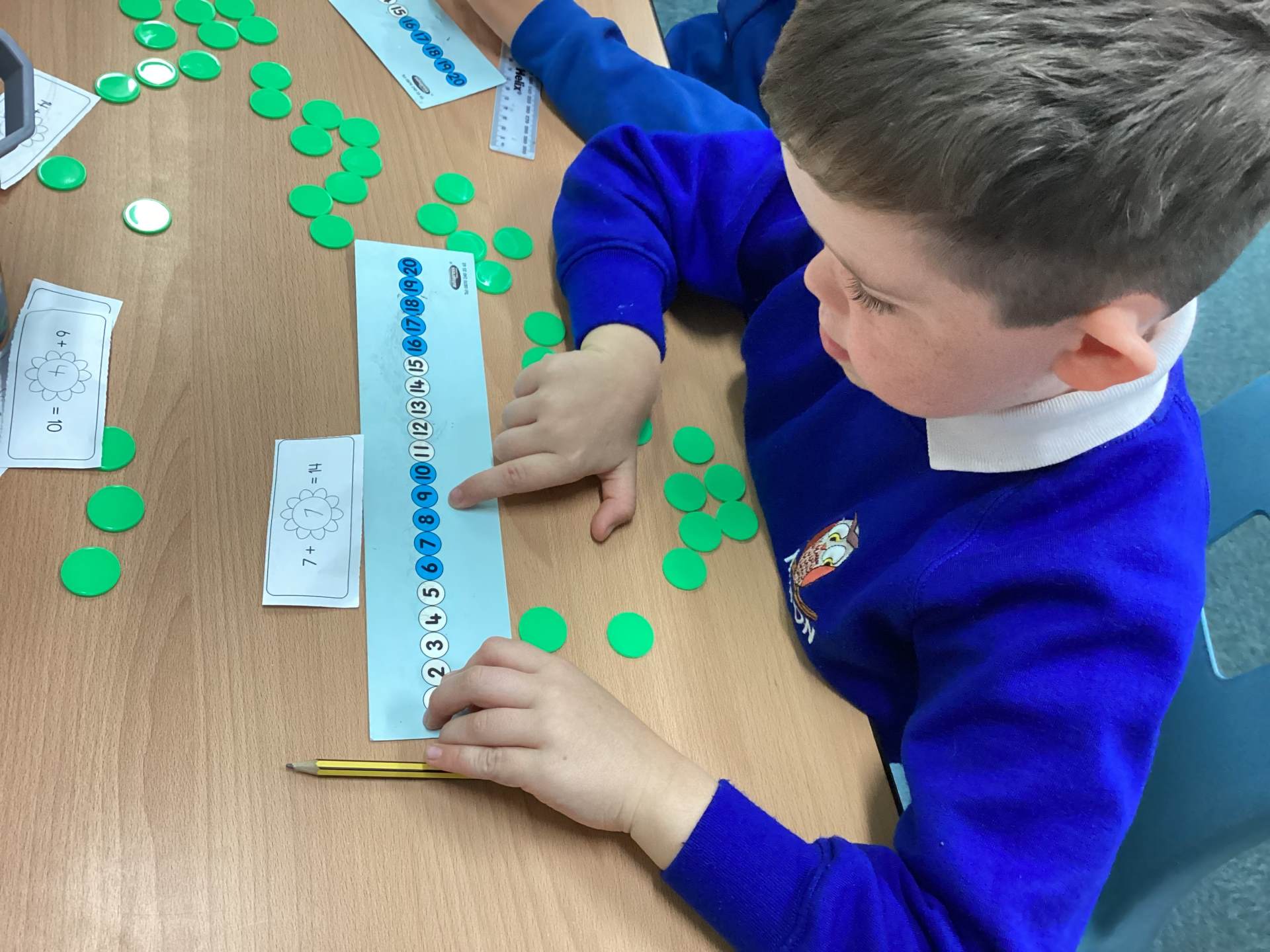
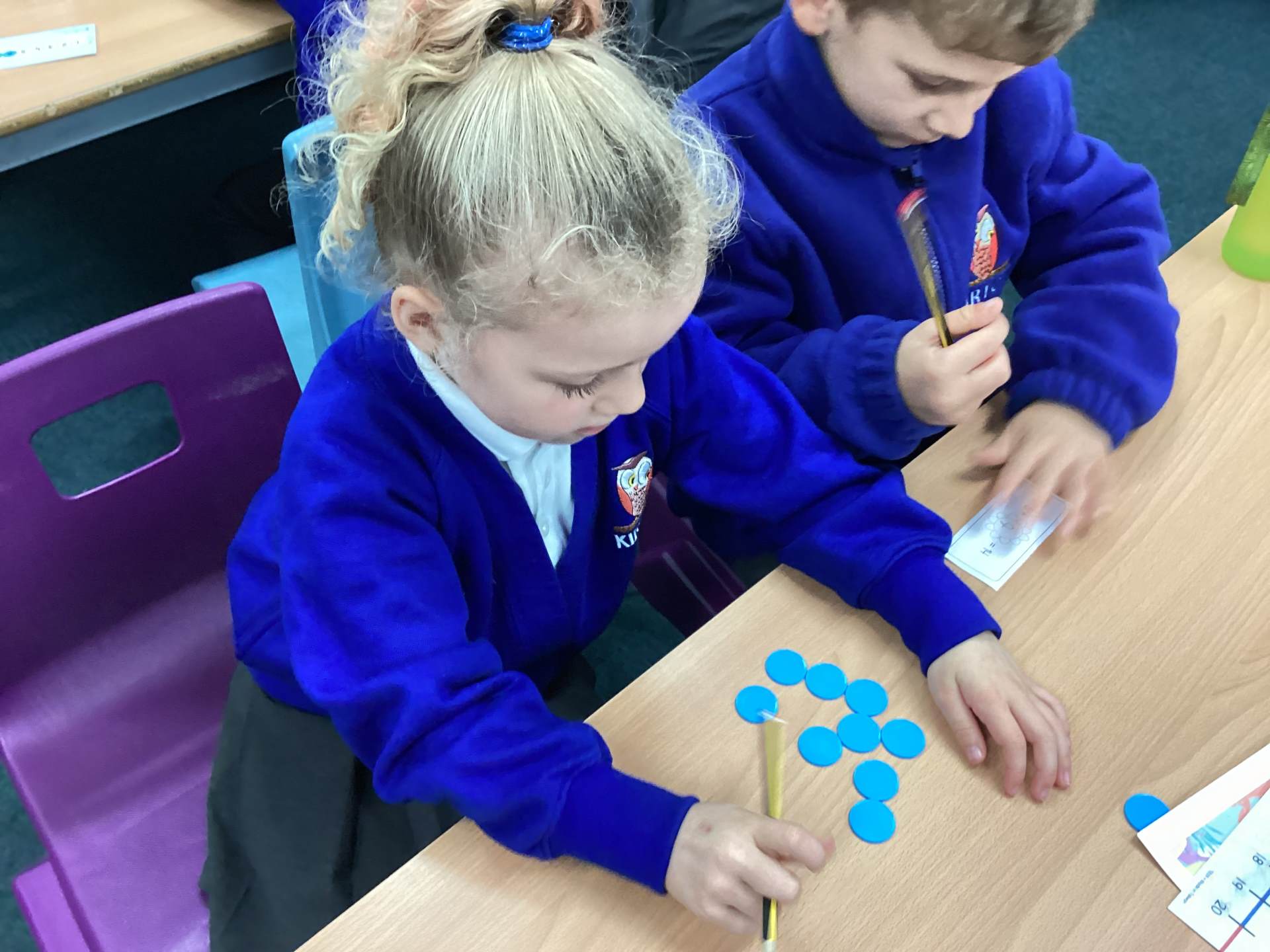
Year 2 Curriculum
All subjects (except RE) which are taught in school follow the guidelines set out in the National Curriculum Document.
YEAR 2 SCIENCE AND FOUNDATION SUBJECTS OVERVIEW
Phonics
Kirton Primary School follows the ‘Little Wandle Letters and Sounds Revised’ scheme to teach daily phonics sessions in Reception and Year 1. This systematic, synthetic phonics programme follows a clear sequence in order to support our children to learn how to blend for reading and segment to spell. We carefully match your child’s reading book to their phonic stage using the ‘Big Cat Phonics for Little Wandle Letters and Sounds Revised’ books. Each week, our children are supported to develop skills in decoding, reading with expression and comprehension.
Please click here to find out how you can support your child with phonics at home
Reception and Year 1 teaching programme overview
If you have the Little Wandle at Home Phonics Flashcards, four fun games are available on the Collins website to support learning at home.
Phase 2 Reception Autumn 1 Grapheme SheetPhase 2 Reception Autumn 2 Grapheme Sheet
Phase 3 Reception Spring 1 Grapheme Sheet
Capital Letter Formation Sheet
Everybody Read! Information Leaflet
Religious Education
In the teaching of religious education we follow the Lincolnshire Agreed Syllabus. We aim to help children to learn about and from religions and to explore and respond to human experiences. Through this teaching, children are encouraged to respect the right of others who hold beliefs that are different from their own.
Throughout the school study is based on the concepts of: Authority – written scriptures, traditions, key figures etc.; Celebration – forms of worship, festival etc.; Religious Beliefs and Life Styles – behaviour related to beliefs and values; The Sacred – ‘that which is set apart’ the nature of deity.
Parents are permitted to withdraw their child from religious education and collective worship. If you wish to exercise this right please make a request in writing to the Headteacher.
Assemblies
At Kirton Primary School, assemblies are an important part of school life and are distinct from Religious Education (R.E.), although both contribute to promoting pupils’ spiritual, moral, cultural, mental and physical development.
Our school has no religious affiliation, but we value our links with local churches. Collective Worship takes place regularly and is largely Christian in nature, while also helping children to develop an awareness and understanding of other world religions in a respectful and inclusive way. Assemblies are carefully planned to reflect the needs of all pupils.
Assemblies also provide a valuable opportunity for our school community to come together. We hold singing assemblies, celebration assemblies to recognise achievement and our core values, and themed assemblies where children learn about protected characteristics and British Values. These shared experiences help foster a strong sense of belonging and reinforce the inclusive ethos of our school.
Personal, Social, Health and Economic Education (PSHE) and Relationships and Sex Education (RSE)
Personal and Social Education
Many aspects of these are dealt with as part of the health education programme. Time is allowed to consider wider issues and children are given the opportunity to consider various options and the possible consequences of certain courses of action.
In establishing a school ethos, great emphasis is placed on mutual respect and the development of self esteem. In preparing for adult life, we aim to develop children’s ability to take opportunities, to use initiative, to learn from mistakes and to make choices for themselves.
Health Education
From the time children enter school, they continue to learn more about themselves, their bodies and their feelings. They also learn about how they grow and change. In science they learn about functions, food, the effects of exercise etc. In the wider context of health education they learn about healthy life styles and are encouraged to adopt them. ‘Keeping Yourself Clean’, ‘Visits to the Dentist’ and ‘Rules about using Medicines’ are some of the topics taught.
Economic Education
We believe it is important for children to develop an understanding of the wider world, including basic economic education. Through age-appropriate lessons and real-life contexts, pupils learn about money, saving, spending, enterprise and the value of work. These experiences help children build confidence, responsibility and essential life skills for their future.
Relationships Education
We place great importance on relationships education as part of our commitment to pupils’ personal development. Through age-appropriate learning, children develop an understanding of respect, kindness, boundaries and healthy relationships. This supports them in building positive friendships, showing empathy, and feeling safe and valued within our school community.
Sex Education
In science, children are taught that humans and other animals can produce babies. In Key Stage Two the main stages of the human life cycle are taught. In addition, we teach sex education. In year six there is a more detailed study of many aspects of human reproduction. We use a television programme ‘Living & Growing’ which covers growing up, loving relationships leading to pregnancy and the subsequent birth of a baby. Parents have the right to withdraw their children from sex education should they wish.
Drugs Education
Children are also taught about things that can harm them. For older children these include tobacco, alcohol and other drugs.
Parents and Teachers Working Together
We believe that children learn best when there is a strong partnership between home and school. We are committed to keeping you informed about what your child is learning and how you can support them at home.
We value your support and encourage you to get in touch if you have any questions, queries, or concerns — we are always happy to help.
If you would like to find out more about your child’s curriculum, please contact the school office to arrange an appointment with their class teacher.