


Handwriting
At our school, we use the Letter-join handwriting scheme to support children in developing clear, confident, and fluent handwriting.
Letter-join provides a structured and progressive approach to teaching handwriting from the early years through to Key Stage 2. It helps children develop correct letter formation, good pencil control, and an understanding of how letters join, all of which support writing fluency and presentation.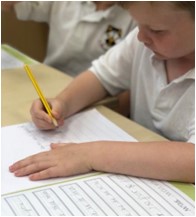
How we teach handwriting
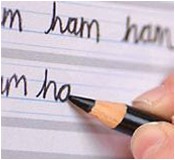 Reception: In Reception, handwriting is taught through the Little Wandle scheme in line with children’s phonics and early reading learning, supporting accurate letter formation from the start.
Year 1 and 2: Children build on their early skills, practising consistent letter formation and beginning to learn how letters are joined. Regular, short practice sessions help develop confidence and accuracy.
Years 3 - 6: Children focus on developing a fluent, legible joined handwriting style. Emphasis is placed on consistency, speed, and maintaining high standards of presentation across all written work.
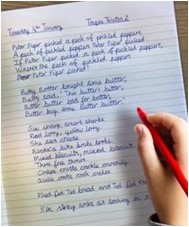
Our Alphabet
LOWER CASE ALPHABET (RECEPTION AND YEAR 1)
UPPER CASE ALPHABET (RECEPTION AND YEAR 1)
LOWER CASE ALPHABET (YEAR 2 - YEAR 6)UPPER CASE ALPHABET (YEAR 2 - YEAR 6)
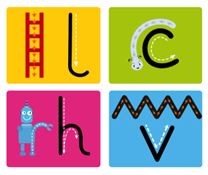
Letter Families
Useful Resources
COMMON JOINSCORRECT POSTURE, PENCIL GRIP AND PAPER POSITION FOR HANDWRITING
Supporting handwriting at home
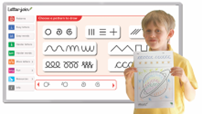
 Children also have access to Letter-join resources at home, allowing them to practise and reinforce what they learn in school. This partnership between school and home helps children develop confidence and pride in their handwriting.
We believe that strong handwriting skills support children’s wider learning and help them express their ideas clearly and effectively.